
(And How to Communicate What You’re Going Through)
Because a concussion affects the brain, it can influence how a person processes information, regulates emotions, and manages stress — and that means relationships often feel the impact too.
For individuals living with post-concussion symptoms, this experience can feel confusing or discouraging. If you’re unsure how concussion differs from ongoing symptoms, we explain that distinction in more detail in our blog on understanding concussions versus post-concussion syndrome.
When symptoms persist beyond the initial injury, relationships— whether with partners, family members, friends, or coworkers–
can start to feel strained in ways that are hard to explain or understand.
What This Can Look Like in Real Life
After a concussion, the brain is working harder to manage functions that once felt automatic. That increased effort doesn’t just affect symptoms — it shows up in everyday interactions and relationships.
Withdrawal isn’t disinterest
Pulling back from social plans, conversations, or activities is often misinterpreted as a lack of care or interest. In reality, this pattern commonly reflects the brain protecting itself from overstimulation. When symptoms worsen with noise, movement, or rapid input, reducing input helps regulate the nervous system.
Communication can feel overwhelming and frustrating
Brain fog, slower processing, and difficulty finding the right language are common after concussion, especially when cognitive load increases. What once felt like an easy conversation may now feel exhausting or overwhelming — particularly when emotions are involved.
Research suggests that mild traumatic brain injuries, including concussion, can affect communication and information processing in ways that persist beyond the initial recovery period, influencing how individuals interact in daily life.
Emotions can run closer to the surface
Irritability, anxiety, and emotional sensitivity often increase after concussion. These responses are not signs of “being dramatic” — they frequently reflect changes in emotion regulation systems that occur after brain injury.
Studies show that emotional dysregulation and mood changes are common after concussion and can affect social functioning and relationships.
Shifts in roles and expectations
Energy levels may fluctuate. Responsibilities may shift. Support needs may grow. Even the most compassionate relationships can feel pressure when everyone involved is unsure how to name or navigate these changes..
When Support Fades and Misunderstandings Grow
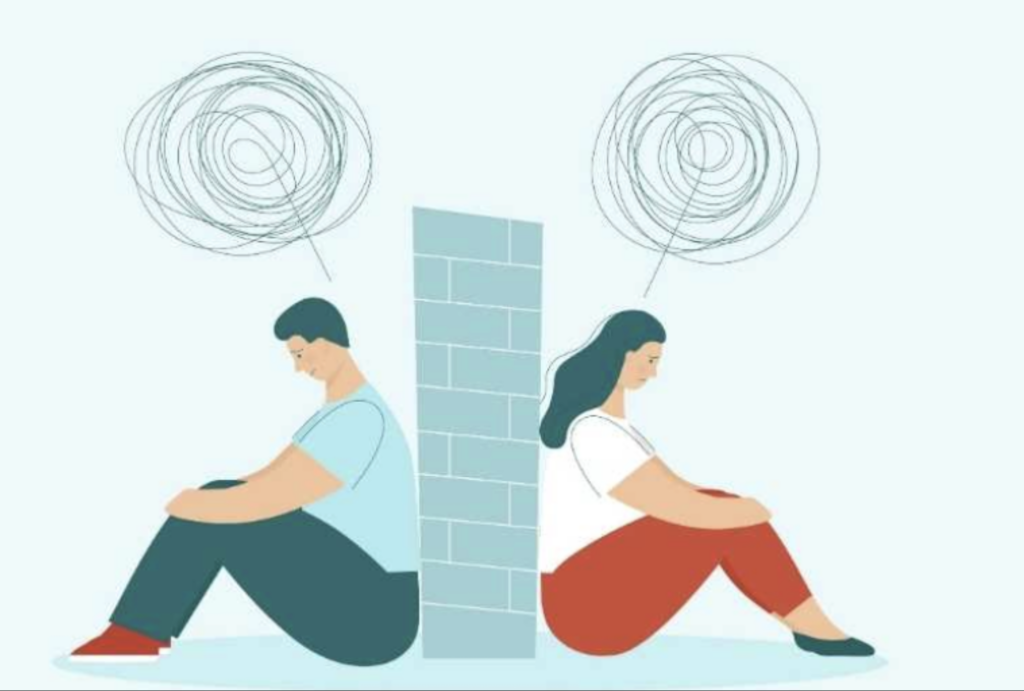
In the early weeks after an injury, support is often strong and well-intentioned. But as life moves on and symptoms become less visible, expectations can quietly increase again — even though the person is still healing.
This shift — from early visible support to later subtle strain — is a common relational challenge in PCS recovery and one that often leaves both people feeling misunderstood or isolated.on people with PCS often feel stuck in a cycle of trying to rest their way out of symptoms that don’t resolve.
The Key Word Is Healing
It can feel unsettling when concussion symptoms affect mood, communication, or roles within a relationship. Many people worry that these changes mean something permanent has happened.
Here’s an important clarification:
With concussion and post-concussion syndrome, many of these changes reflect symptoms — not personality.
As the brain heals, regulation and communication often improve.
At the same time, it’s honest to acknowledge that in more severe brain injuries, behavioral or emotional changes can be longer-lasting. This is one reason education and appropriate treatment matter so much.
If you’re looking for in-depth guidance on recovery elements, check out our blog on post-concussion syndrome treatment and evidence-backed recovery elements.
For natural and nervous system supportive strategies that are often helpful in recovery, you might also explore our post on natural remedies for concussion recovery.
Understanding that what you’re experiencing is part of a healing process — not a permanent identity change — can shift the relational narrative from frustration to collaboration.
Why Communication Can Feel So Hard After A Concussion
Communication and emotional regulation both require significant cognitive resources.
Imagine your brain as a system of fast hallways leading to different “file rooms” — one for language, one for emotional regulation, one for sensory processing. Before injury, moving between these rooms is quick and automatic.
After a concussion, many of those hallways become construction zones.
The information is still there — but accessing it takes more effort. Processing slows, emotions rise faster, and overwhelm happens sooner. Conversations that once felt easy can now feel taxing or draining — even when both people have good intentions.
This isn’t a lack of care — it’s a nervous system working overtime.
A Better Way to Communicate
Instead of lengthy explanations or trying to justify symptoms, many people find it’s more effective to establish a shared language or tool that helps both sides understand where someone is at in the moment.
Step 1: Choose a simple scale
This might be:
- A 0–10 symptom scale
- A red / yellow / green system
- A capacity level (low / medium / high)
The exact system matters less than both people understanding it.
Step 2: Build a running list of what helps
Over time, you and your support can start connecting levels with helpful actions. For example:
- At a 7, symptoms may escalate — rest in a quiet room prevents overload.
- At a 5, calming tools like a weighted blanket, dim lighting, or gentle movement can help.
This becomes a shared map rather than a guessing game.
Step 3: Let either person cue a pause
This is not avoidance — it’s nervous system protection. Saying:
- “I’m at a yellow right now — let’s pause,”
or - “I think I need quiet for a moment,”
gives both people permission to reset without conflict.
Planning Ahead Instead of Pushing Through
Rather than thinking of this as rigid “boundaries,” many people find it helpful to approach PCS recovery through self-awareness and pacing.
Looking ahead at plans — a busy weekend, social commitments, emotionally demanding conversations — and adjusting in advance often reduces symptom spikes and relational tension.
Take notice that weekends — when routines shift and expectations rise — can feel especially draining. Small adjustments like built-in rest, earlier departures, or quieter transitions can protect both symptoms and your plans.
For Loved Ones: Supporting Without Burning Out
Supporting someone through PCS recovery can be emotionally demanding. Helpful support often includes:
Active listening
Simple phrases like, “Oh — so what you’re saying is…” help ensure the person feels understood and also slows the pace of conversation.
Flexibility
Symptoms fluctuate. What someone can manage one day might be too much the next. Flexibility reduces pressure and resentment.
Support for supporters
Loved ones who care for their own nervous system — rest, self-care, and boundaries — are better able to show consistent support. Recovery becomes easier when everyone involved has capacity.
Support Can Change the Recovery Experience
Concussion recovery isn’t just physical — it’s emotional and relational too. Learning how to pace energy, communicate needs, and rebuild trust in daily life often benefits from guidance and support.
If lingering symptoms are affecting your relationships, meeting with a concussion recovery expert can help clarify what’s happening and how to move forward. Schedule your free consultation below — a supportive first step toward understanding your recovery path and easing relational tension as you heal.